Discovering the Périgord - its Name
Around 450 BC, a Gaulish tribe of Celtic origin, the “Petrocorii” (or Petrocores), settled between the banks of the Bandiat to the north and the Dropt to the south, mainly along the Isle river on the current site of Périgueux. Etymologically, the name Petrocorii means “Four Armies.” This people gave their name to the region they occupied, “Périgord,” whose capital was Vesunna — today’s Périgueux.
Throughout its turbulent history, neither the Romans, nor the English period under Eleanor of Aquitaine, nor the Revolution, nor even Napoleon altered the territorial boundaries of the Périgord since the time of the Gauls. In 1790, during the Revolution, the National Assembly, as part of its policy of naming each department after its hydrography, decided to rename the department “Dordogne” after the most important river flowing through it. However, the inhabitants remain strongly attached to the original name, Périgord. It can therefore be considered that the name Périgord represents its past and its history, while the name Dordogne is more for administrative purposes.
The inhabitants of the Périgord are called “Périgordins,” even though it is common to refer to them as “Périgourdins.” It should be noted that while the residents of Périgueux are usually called “Périgourdins,” their exact designation is “Pétrocoriens.”
Discovering the Périgord - its History
Since Prehistoric Times
In the Périgord, History has been written century by century since the dawn of humanity. The first confirmed human settlements in the region date back to the Palaeolithic era (between 100,000 and 43,000 BC), with the presence of Neanderthal man at several sites. At Les Eyzies, in the locality known as “Cro-Magnon,” five human skeletons from the Upper Palaeolithic (40,000 BC) were discovered, giving the Cro-Magnon man his name. The cliffs lining the Dordogne, the Vézère and the Dronne rivers are carved with natural shelters and caves that have served as dwelling places for humans for over 400,000 years. The abundance of water, fish, game, and above all rich flint deposits favoured their settlement here.
The Celts, the Romans, the Normans, the Hermits
From 800 to 700 BC, progressive invasions by Celtic peoples from Italy or the Iberian Peninsula gradually took over the territories along the Dordogne, the Vézère and the Isle rivers. It was on these foundations that the nation of the Petrocorii is said to have been born.
In 52 BC, during the Roman conquest of Gaul, the Petrocorii sent 5,000 warriors in support of Vercingetorix. With the fall of the Roman Empire in 410 AD, a succession of barbarian invasions followed, before Clovis’s conquest of Gaul established a feudal power.
In the 8th century, the Périgord was attached to the Kingdom of Aquitaine. It was also during this time that Christianity experienced a definitive rise. Saint Front became the apostle of the Périgord and the first Bishop of Périgueux.
In the 9th century, the region was devastated by the Normans, who travelled upriver. It was also during this period that the four great baronies of the Périgord were established: Bourdeilles, Mareuil, Beynac and Biron, with their powerful fortresses.
The Périgord also saw the settlement of numerous hermits, often at the origin of villages or abbeys: Saint-Astier, Saint-Armand-de-Coly, Saint-Avit-Sénieur, Terrasson (land of Saint Sour).
Around the year 1000, the pilgrimage to Compostela grew in importance. On the route from Vézelay, pilgrims could stop at great sanctuaries such as Saint-Front in Périgueux, Brantôme or Cadouin.

Endless Conflicts, then Finally the Renaissance
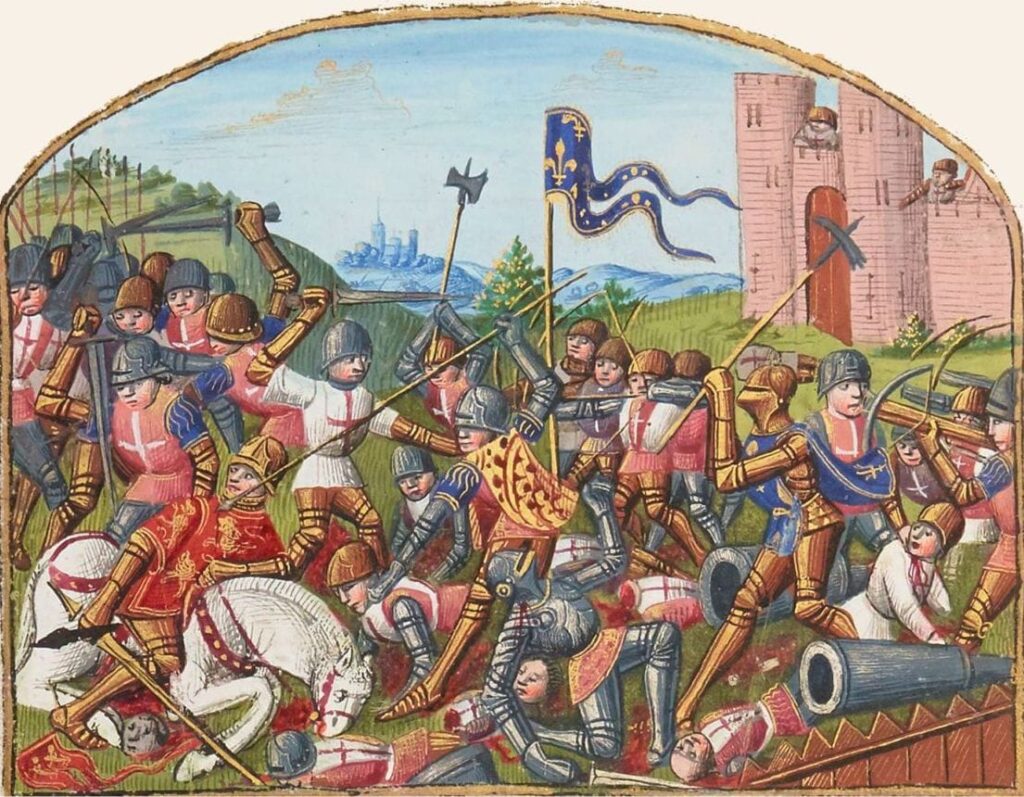
In the 12th century, Aquitaine fell into the hands of the King of England following Eleanor’s remarriage. The Périgord, as part of the Duchy of Aquitaine, was at the heart of the conflicts. Castles were built, taken and retaken, ruined and restored. Such was the fate of Beynac, Castelnaud, Badefols and Monfort. The construction of numerous bastides, built by both the French and the English, also served as defensive strongholds.
In the 14th and 15th centuries, the Périgord was still contested by the kings of France and England. In 1337, the Hundred Years’ War broke out, and the Périgord was finally liberated in 1453 by the troops of Charles VII (decisive victory at Castillon).
The second half of the 16th century was a period of peace and prosperity. It was marked by the development of the Bergerac vineyards, the revival of industrial activities (such as forges and mills). A great artistic movement took place, and literary circles were led by Brantôme, Montaigne and La Boétie. Churches were rebuilt and castles transformed and embellished, often under the influence of the Italian Renaissance.
The Wars of Religion, Peasant Revolts
16th century, the beginning of the Wars of Religion. Protestantism spread rapidly in the Périgord. Religious rivalry turned into political conflict; battles were frequent and deadly, and atrocities were committed by both Protestants and Catholics. Heavily damaged during the troubles, the Cathedral of Saint-Étienne de la Cité lost its status as the seat of the bishopric of Périgueux to Saint-Front.
In the aftermath of this period, desolation reigned among the peasantry. The weight of taxes drove the peasants to revolt in the mid-16th century. With large-scale uprisings, the movement spread throughout the region. Crushed once, the revolt resumed in 1635 following the imposition of a new extraordinary tax. These peasant revolts only came to an end with the close of the reign of Louis XIII in 1661.
The revocation of the Edict of Nantes in 1685 caused many Protestant residents of Bergerac to leave for England and the Netherlands, which ultimately strengthened commercial ties with both countries.
By the end of the Ancien Régime, a period of relative stability, the Périgord had slightly over 300,000 inhabitants. The towns of Périgueux, Bergerac and Sarlat each had between 6,000 and 8,000 residents.
From the Revolution to the Present Day
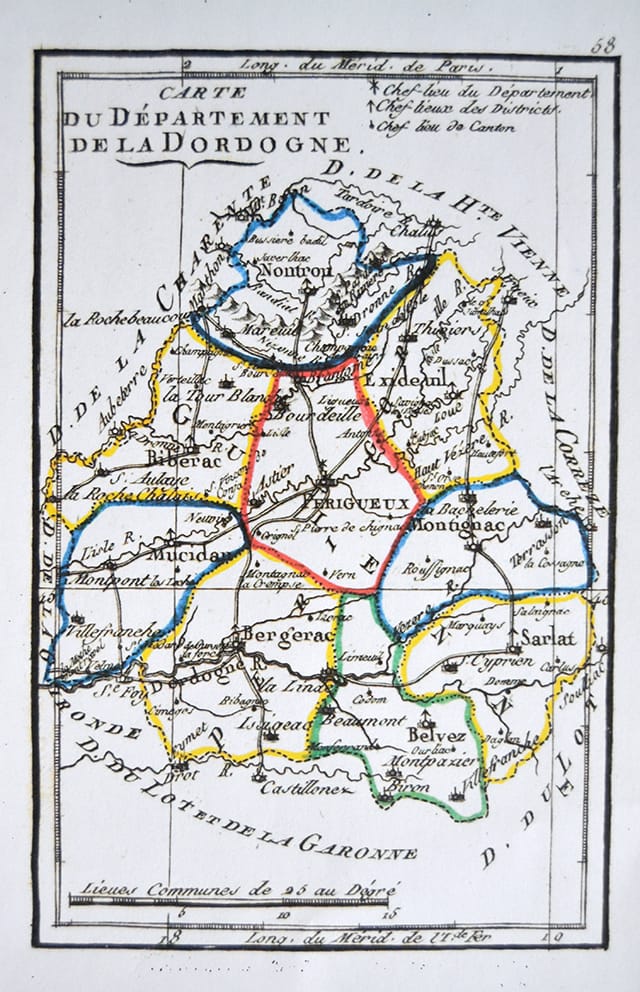
Following the Estates General, the department of the Dordogne was created in 1790. From the Revolution, the region inherited a new administrative organisation; Bergerac lost its status as capital of the Périgord to Périgueux.
The 19th century was a period of reconstruction and economic expansion, driven by the development of the railway from 1853 onwards and the establishment of large railway maintenance workshops in Périgueux.
In the early 20th century, the Périgord paid a heavy human toll, losing 9.3% of its population between 1911 and 1921 (while the overall population of France fell by only 1%).
During the Second World War, Périgueux was liberated in August 1944 by the Resistance fighters (Maquis).
Discovering the Périgord - its Four Colours
Thanks to its richness of colours and the diversity of its landscapes, the Périgord is commonly divided into four zones and four colours.
Black Périgord
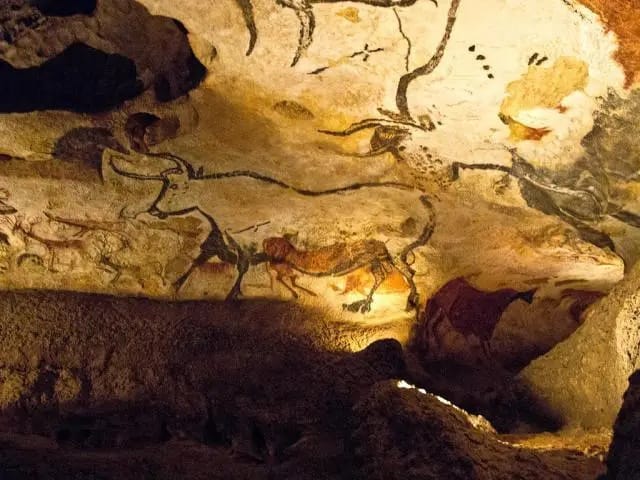
In fact, the black colour refers to the dark, dense and persistent foliage of the holm oaks in the great valleys of the Dordogne and the Vézère for much of the year. Located in the south-east of the department, it is home to no fewer than 9 of the most beautiful villages in France. Sarlat is its capital. It is also the most visited area due to the greatest concentrations of caves and archaeological sites in the world, including renowned prehistoric sites such as Les Eyzies and the caves of Lascaux.
This designation of “black” does not, therefore, refer to the truffle, even though it has been very present in the area for centuries…
White Périgord
Green Périgord
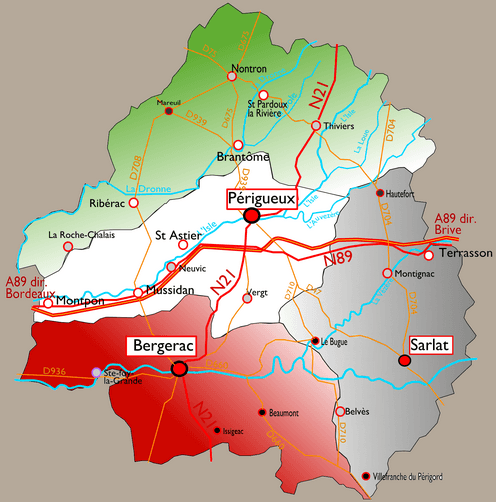
Purple Périgord
Discovering the Périgord - Exceptional natural sites
A sanctuary unique in the world!
400,000 years of Humanity along the limestone cliff faces, on forest paths.
25 decorated shelters and caves, including 15 listed as UNESCO World Heritage Sites.
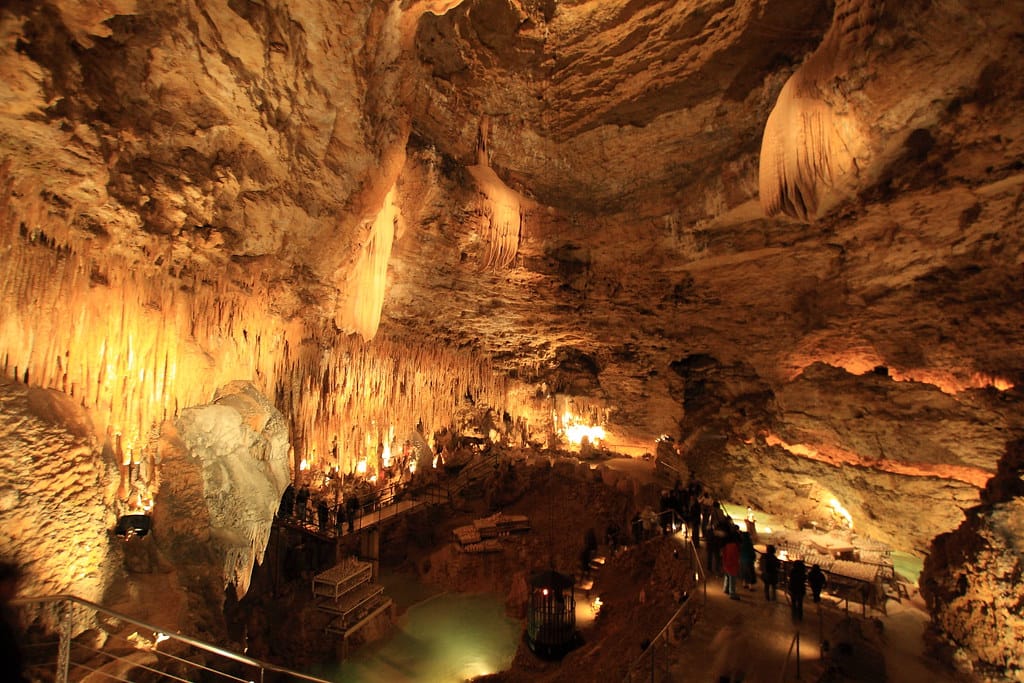
The Lascaux site, La Roque Saint-Christophe, the Rouffignac caves, the Proumeyssac chasm, the Grand Roc cave…
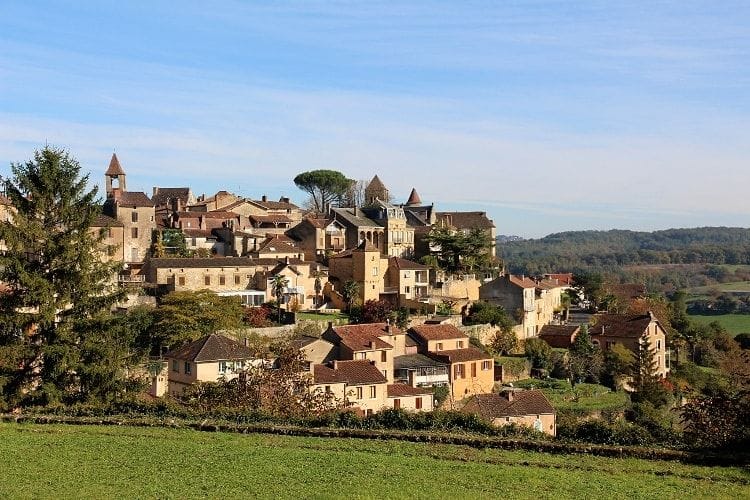
Magnificent villages
Among the most Beautiful Villages in France, 10 are located in the Dordogne:
- in the Green Périgord: Saint-Jean-de-Côle,
- in the Purple Périgord: Monpazier, Limeuil,
- in the Black Périgord: Domme, Saint-Amand-de-Coly, Saint-Léon-sur-Vézère, Castelnaud-la-Chapelle, Belvès, Beynac-et-Cazenac, La Roque Gageac.
Discovering the Périgord - its Heritage Riches
A thousand and one castles
The Dordogne has the highest concentration of castles in France! The building of castles in this region began mainly in the 11th and 12th centuries, on hard-to-reach locations such as rocky spurs, near land or river communication routes in order to control them and impose a toll. This proliferation of fortresses continued until the end of the 13th century and the onset of the Hundred Years’ War, which left indelible marks. Truces were used to restore, rebuild and consolidate some of these fortresses. Then from the Renaissance onwards, castles were built or remodelled not for defence but for pleasure.
The nobility embellished these old residences, remodelling them and adding the refinements of the Renaissance to their martial austerity.
A few examples of castles:
- Medieval style: Beynac, Commarque, Fenelon, Biron, Montréal, Castelnaud…
- Renaissance style: Puyguilhem, Mareuil, Bourdeilles, Jumilhac, Milandes…
- Classical and Modern style: Hautefort, Rastignac…
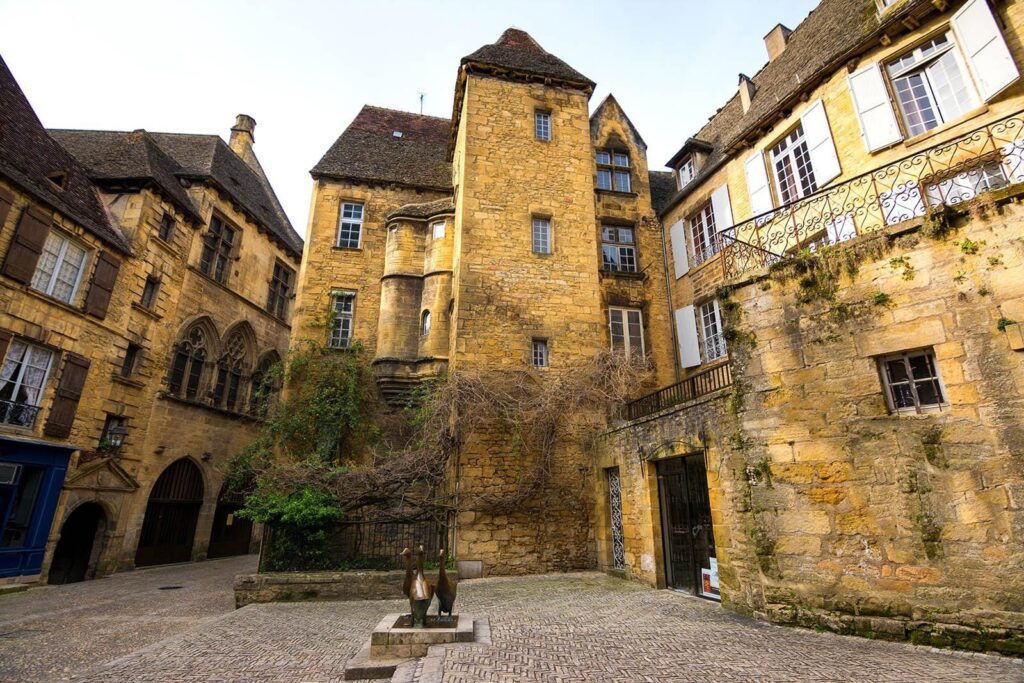
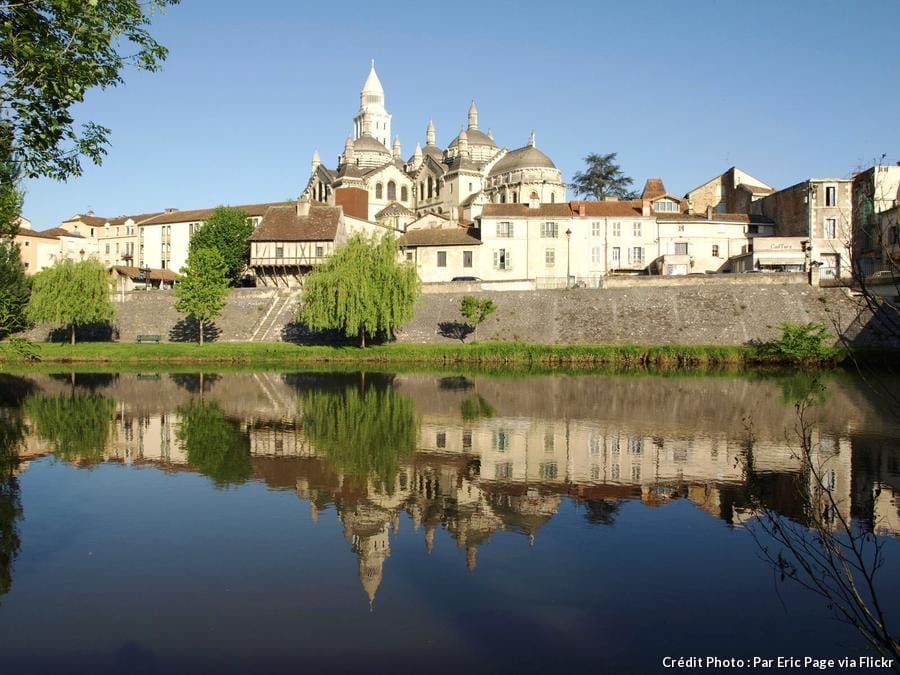
Three Cities of Art and History
- Sarlat
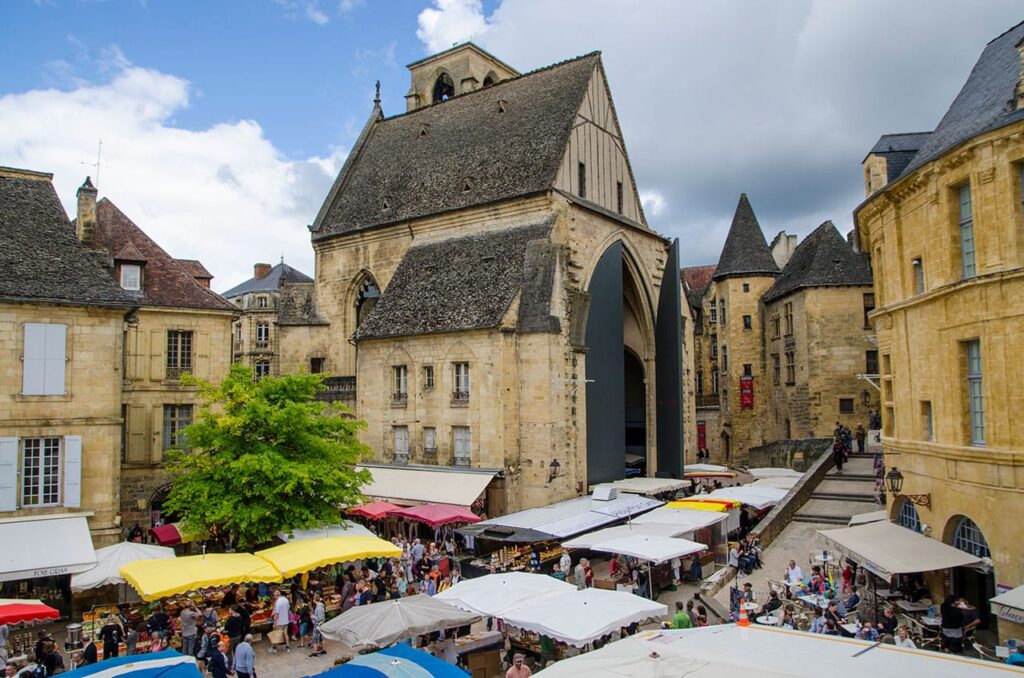
With 66 listed or registered monuments within an area of 11 hectares, Sarlat holds “the highest density of listed buildings” and features in the record books. From the medieval era, Sarlat became a prosperous town, further embellished during the Renaissance. Its lauze-stone rooftops, cobbled lanes, market, and private mansions make it a major tourist destination where numerous historical films have been shot. - Périgueux
Périgueux boasts 2,000 years of history. From the ancient Gallo-Roman city of Vesunna to its medieval Renaissance town, the city has 44 buildings listed or classified as Historic Monuments. Périgueux is today one of the largest protected areas in France, covering 20.5 hectares. The Gallo-Roman museum site, its medieval quarter, its Cathedral, its Renaissance private mansions and its market are unmissable. - Bergerac
Awarded the label at the end of 2013, Bergerac became the 3rd City of Art and History in the Dordogne. With a leading architectural and viticultural heritage, the town built its prosperity essentially on the wine trade, largely thanks to the Dordogne river as a transport route. Gabarre boat rides, a Renaissance town centre, the statue of Cyrano and 10 wine appellations are its pride.
Discovering the Périgord - a diversity of landscapes
Parks and Gardens
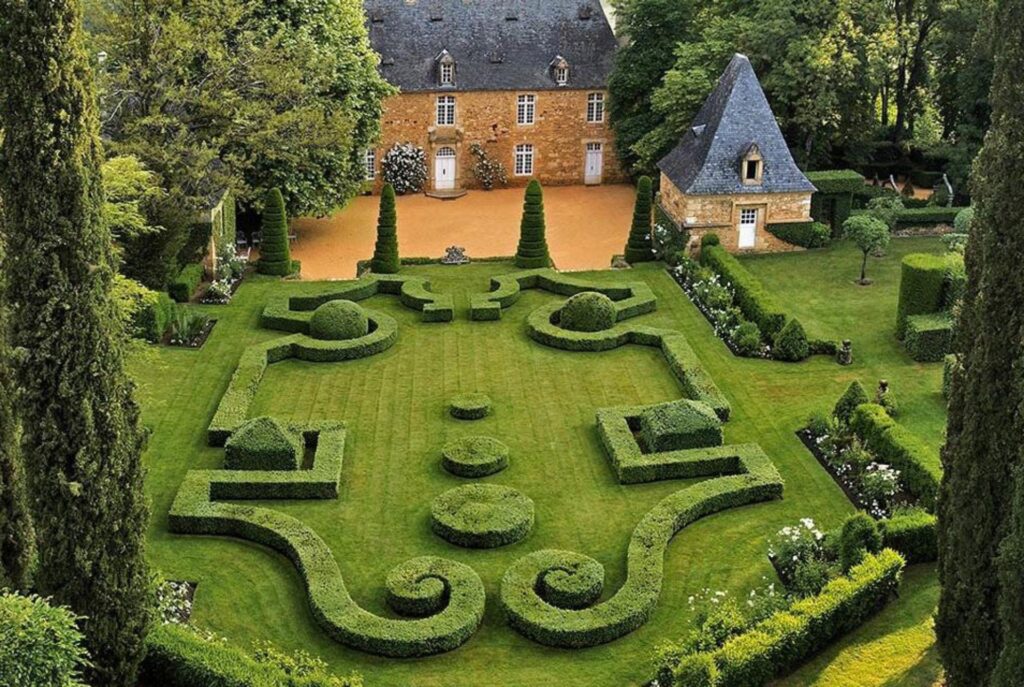
The Périgord offers many gardens, whether imaginary, hanging, panoramic or water gardens; they reveal all their beauty and their fragrances. Among the 33 Parks and Gardens open to the public, a first selection:
- the Gardens of the Imagination in Terrasson
- the Panoramic Gardens of Limeuil
- the Hanging Gardens of Marqueyssac
- the Gardens of the Manoir d’Eyrignac
- the Water Gardens of Carsac
- the Gardens of the Château d’Hautefort
- the Gardens of the Château de Losse
- The Bamboo Gardens of Planbuisson
A nature that gives so much
Forests, rivers, cliffs, vineyards, valleys… the variety of landscapes in the Périgord offers countless opportunities to take magnificent photographs! Autumn can be considered the best season to discover the Dordogne valley. At this time of year, the landscapes are at their most beautiful. The forests shimmer with colour, the warm hues of the leaves reflect in the river, and the water is calm and peaceful.
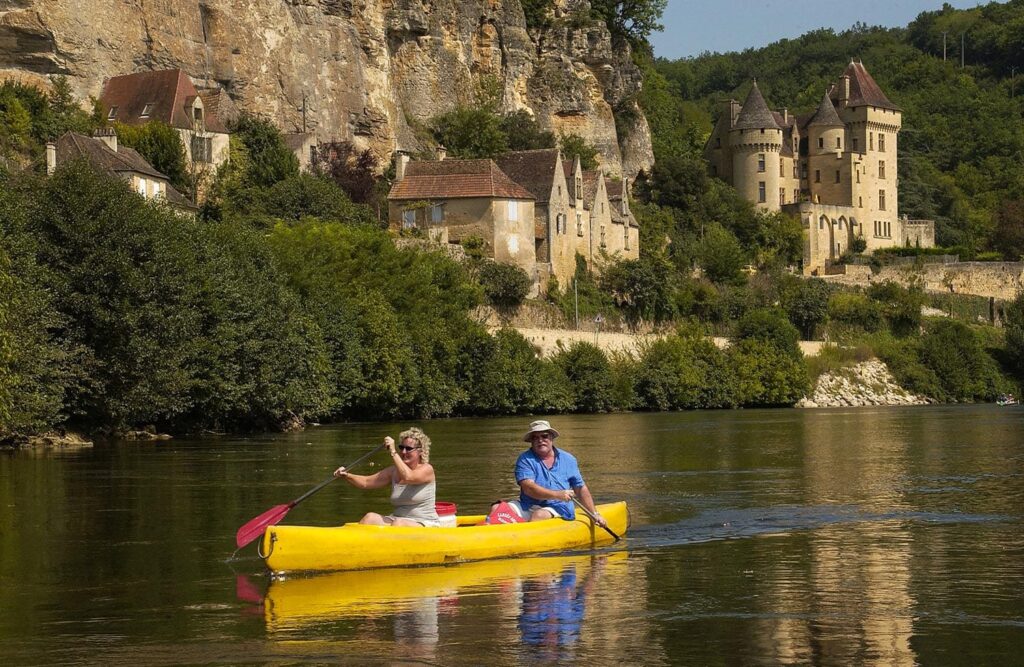
Some riverside villages are also true oases of tranquillity. Drifting gently down the Dordogne, the Vézère or the Isle by canoe, you will pass by castles and fine residences, skirt villages built on hillsides, and enjoy a magnificent natural setting.
Thanks to its narrow valleys and relief, the region enjoys very beautiful panoramas, with elevated viewpoints such as the esplanade of Domme which offers a splendid view over the Dordogne, as does Limeuil, which dominates the Vézère at the point where it joins the Dordogne.
In the north of the department, the Périgord-Limousin Regional Natural Park offers remarkable natural sites, and a flora and fauna whose rare variety surprises every visitor.
Discovering the Périgord - savouring its Gastronomy

Local produce
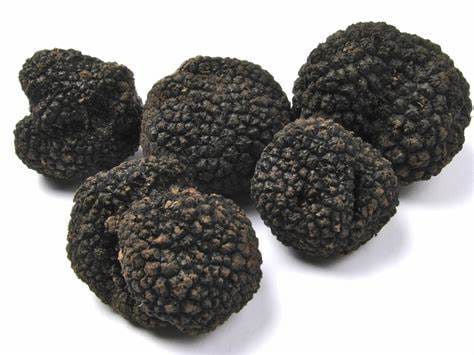
The Périgord truffle
The summer truffle and the black truffle. Do not miss the truffle markets from December to February (12 locations).
Périgord foie gras
With certified origin guaranteeing a product entirely from the local terroir and full traceability. A festival in Sarlat is dedicated to this tradition: the “Fest’Oie,” traditionally held at the start of the year.
The Périgord walnut
With its Appellation d’Origine Contrôlée since 2002 and its Protected Designation of Origin since 2004. Four different varieties of walnut are cultivated. Walnut oil is a delight to enjoy with your salads.
The Périgord strawberry
It features in the inventory of French culinary heritage and benefits from a PGI (Protected Geographical Indication), the first strawberry in Europe to receive this distinction, guaranteeing its quality and local expertise. Vergt is its capital.
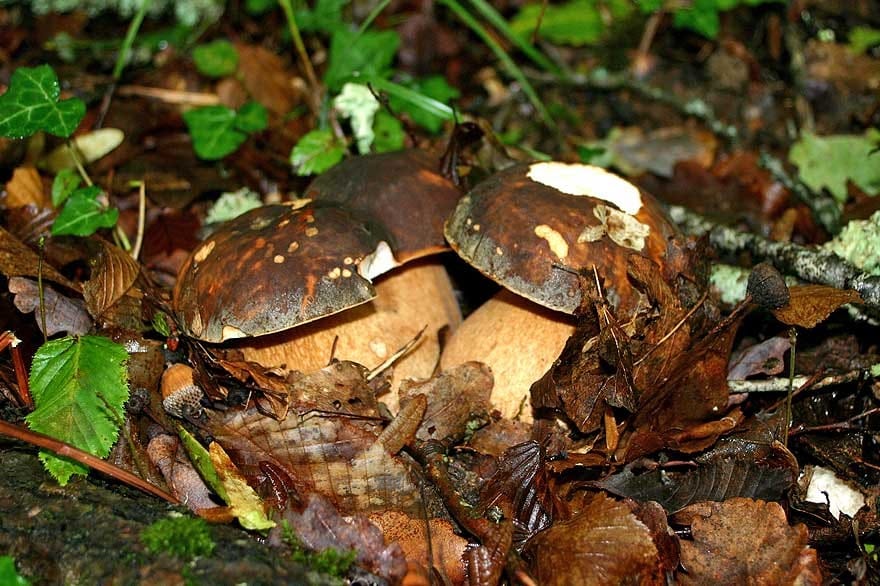
Périgord porcini mushrooms
Gathering them is a local ritual, with the best spots jealously guarded… Summer and autumn are the picking seasons. Breaded, stuffed, grilled, in a casserole, braised, dried or preserved, their flavour is exceptional.
The Périgord chestnut
The chestnut tree is one of the most widespread species in the Périgord. Every 3rd weekend of October, the village of Beynat organises a prize-winning departmental fair for the chestnut.
Périgord cheeses
The Trappe d’Echourgnac, made since 1868 from cow’s milk. A soft and creamy cheese enjoyed both cold and warm.
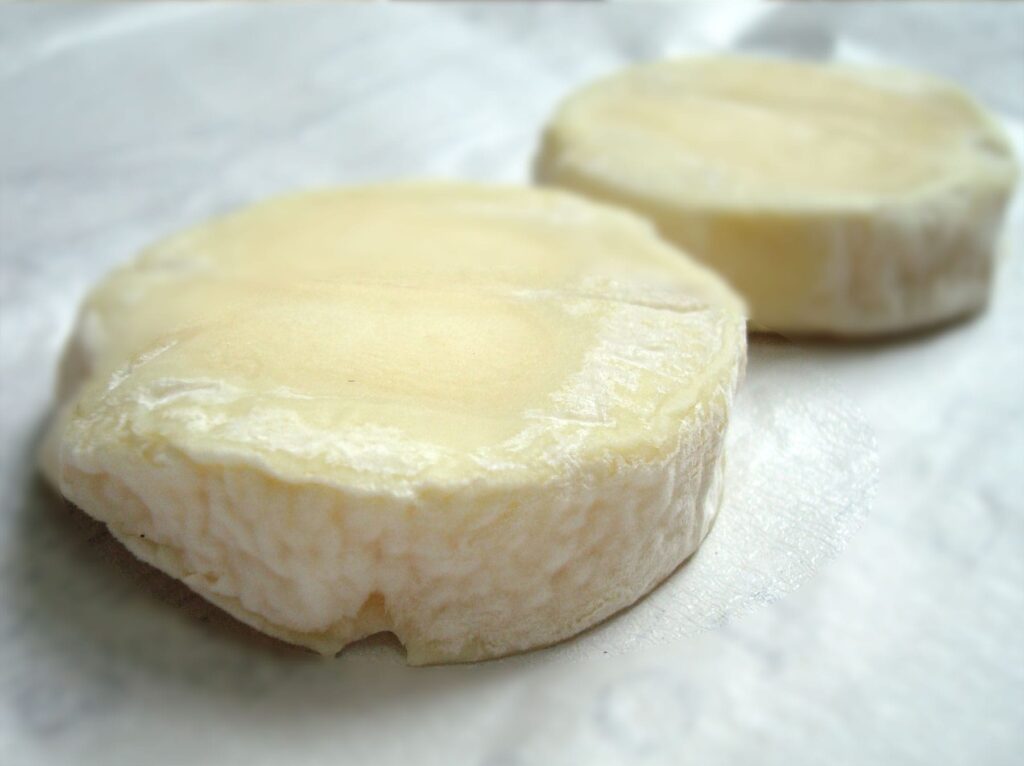
The Cabécou du Périgord, a small goat’s cheese made and matured in the Périgord using milk exclusively from the Périgord, making it an exceptional local product.
Bergerac wines
900 wine growers spread across 93 villages and 12,000 hectares, with 7 appellations: Bergerac, Côtes de Bergerac, Monbazillac, Montravel, Pécharmant, Rosette and Saussignac.
One could also mention the Neuvic Caviar, the Périgord Saffron, numerous local breweries, traditional Périgord dishes…
A true conviviality
How to enjoy all this local gastronomy: truffled foie gras, Périgueux sauce, Sarladaise potatoes, Périgueux pâté…
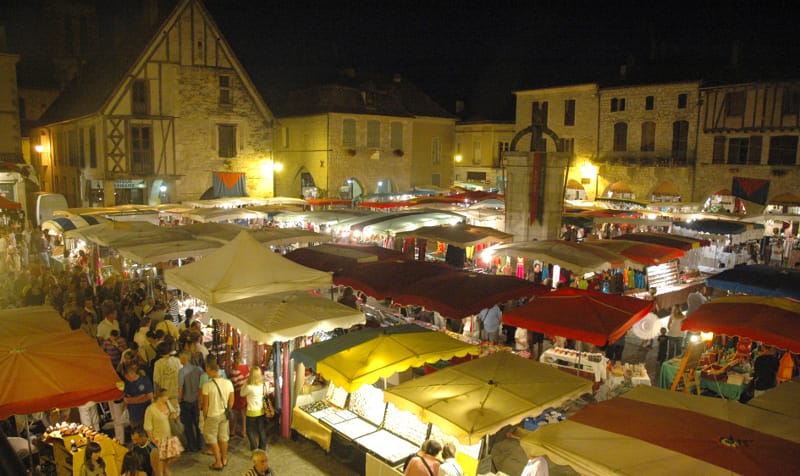
- Wonderful markets
Traditional markets (Périgueux, Saint-Astier, Ribérac, Excideuil…),
Farm markets (Issigeac, Saint-Cyprien, Le Bugue…),
Local producers’ markets,
Prize-winning fat markets (Périgueux, Sarlat, Thiviers…),
Truffle markets (Sainte-Alvère, Sorges…),
Porcini mushroom market in Villefranche. - Great dining experiences
9 starred restaurants in the department (Périgueux, Sarlat, Brantôme…),
9 restaurants awarded the Bib Gourmand label (Périgueux, Bergerac, Chancelade…),
23 farm inns,
25 master restaurateurs. - Gastronomic events
International Gourmet Book Fair in Périgueux (every 2 years in November),
Fest’Oie in Sarlat (in February),
Truffle Festivals in Sorges, Sarlat, Sainte-Croix-de-Mareuil… in January,
Strawberry Festival in Vergt in May,
Porcini Mushroom and Veal Festival in Saint-Saud in October,
Chestnut Festival in Villefranche in October,
Turkey Festival in Varaignes in November,
Many Gourmet Nights throughout the summer.
Discovering the Périgord - enjoying sports activities
The Périgord is a dream destination for sports enthusiasts, rich in heritage and nature. Whether sporty or a casual amateur, with friends or family, the playing fields are many and varied. You can practise, among others:
- canoeing and kayaking. The Dordogne is the leading department for canoeing, with 566 km of navigable waters across 5 rivers: the Dronne, the Auvézère, the Isle, the Dordogne and the Vézère. Numerous water sports centres offer a range of options suited to everyone,
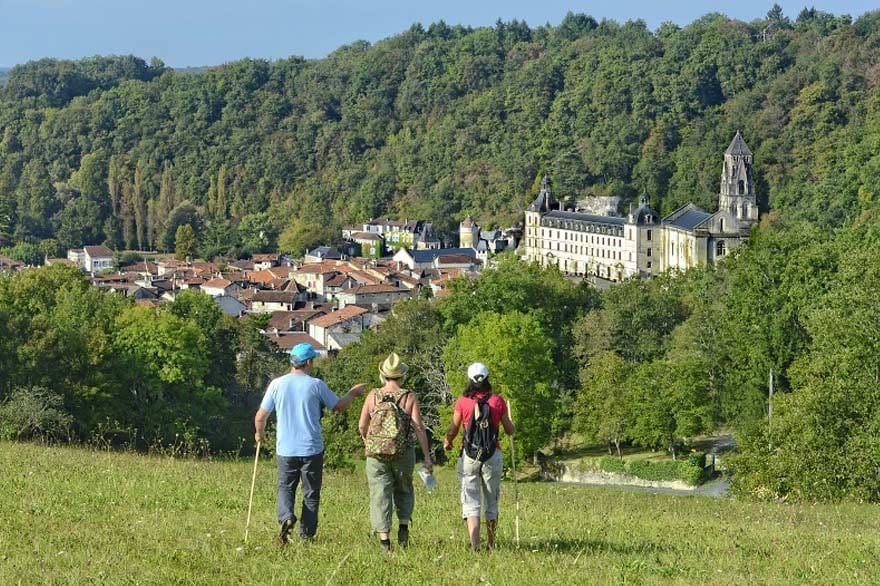
- hiking. 1,130 km of long-distance hiking trails (GR), 7,638 km of short-distance and themed trails,
- cycling. 17 loop circuits, 4 greenways and cycle routes, and themed trails,
- horse riding: 26 equestrian centres,
- golf: 7 approved courses,
- climbing: 10 approved sites and 1 caving site,
- 12 high-rope adventure courses (tree-top climbing),
- 2 water-skiing and wakeboard sites.
One can also mention a via ferrata, hot-air balloon rides, paragliding, quad biking…
Discovering the Périgord - many cultural events
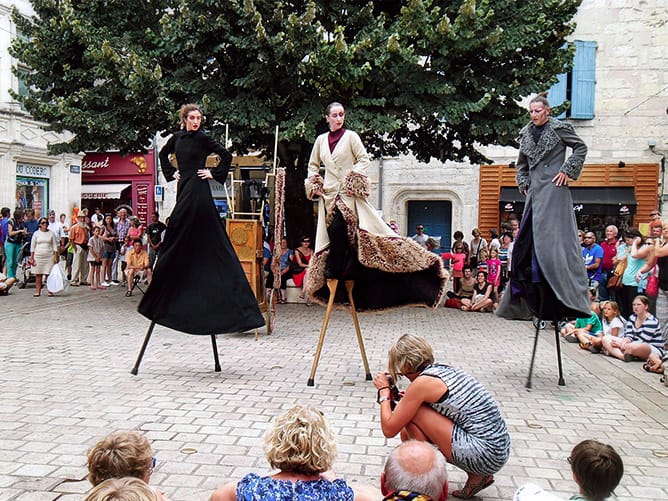
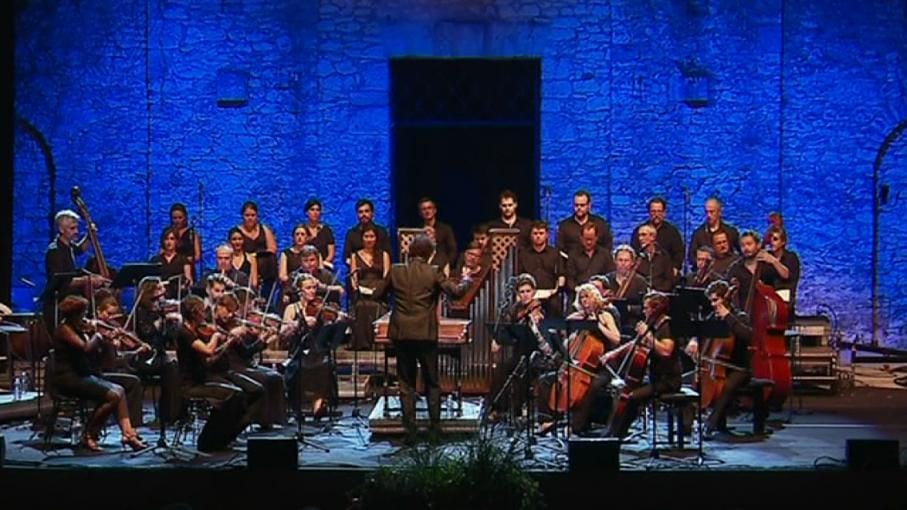
Many festivals, cultural events and festivities are offered throughout the year in the Dordogne.
More than 4,000 events are organised between June and September, including major festivals such as:
- MIMOS in Périgueux
- Film Festival in Sarlat
- Theatre Games Festival in Sarlat
- SINFONIA International Festival in Périgueux
- World Dance and Music Festival in Montignac
- Musical Nights of Beynac
- Classical Music Festival of the Black Périgord in Sarlat and Saint-Léon-sur-Vézère
- Medieval Festival in Monpazier
- Jazz Pourpre Festival in Bergerac
- Itinerant Baroque Festival in the Green Périgord
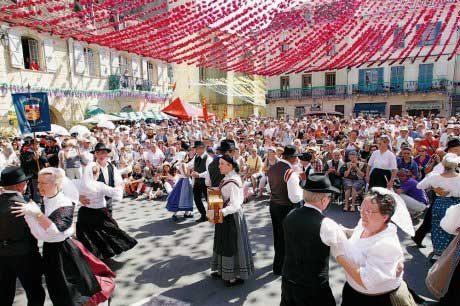
- La Félibrée, each year in a different town (in Eymet in 2021)
- Douchapt Blues Festival
Le Palio in Boulazac — on the outskirts of Périgueux — is a concert and multi-sports venue with a capacity of 5,200 seats, welcoming the main touring cultural shows and concerts in France, as well as sporting events such as basketball.
The Route des Métiers d’Art en Dordogne (Dordogne Arts and Crafts Route) is also not to be missed, offering the chance to discover new skills and meet artists and craftspeople who create unique or small-batch objects. The region also offers numerous craft markets throughout the summer season.